Loading...
Serving Clovis, CA and surrounding areas. (559) 826-1818
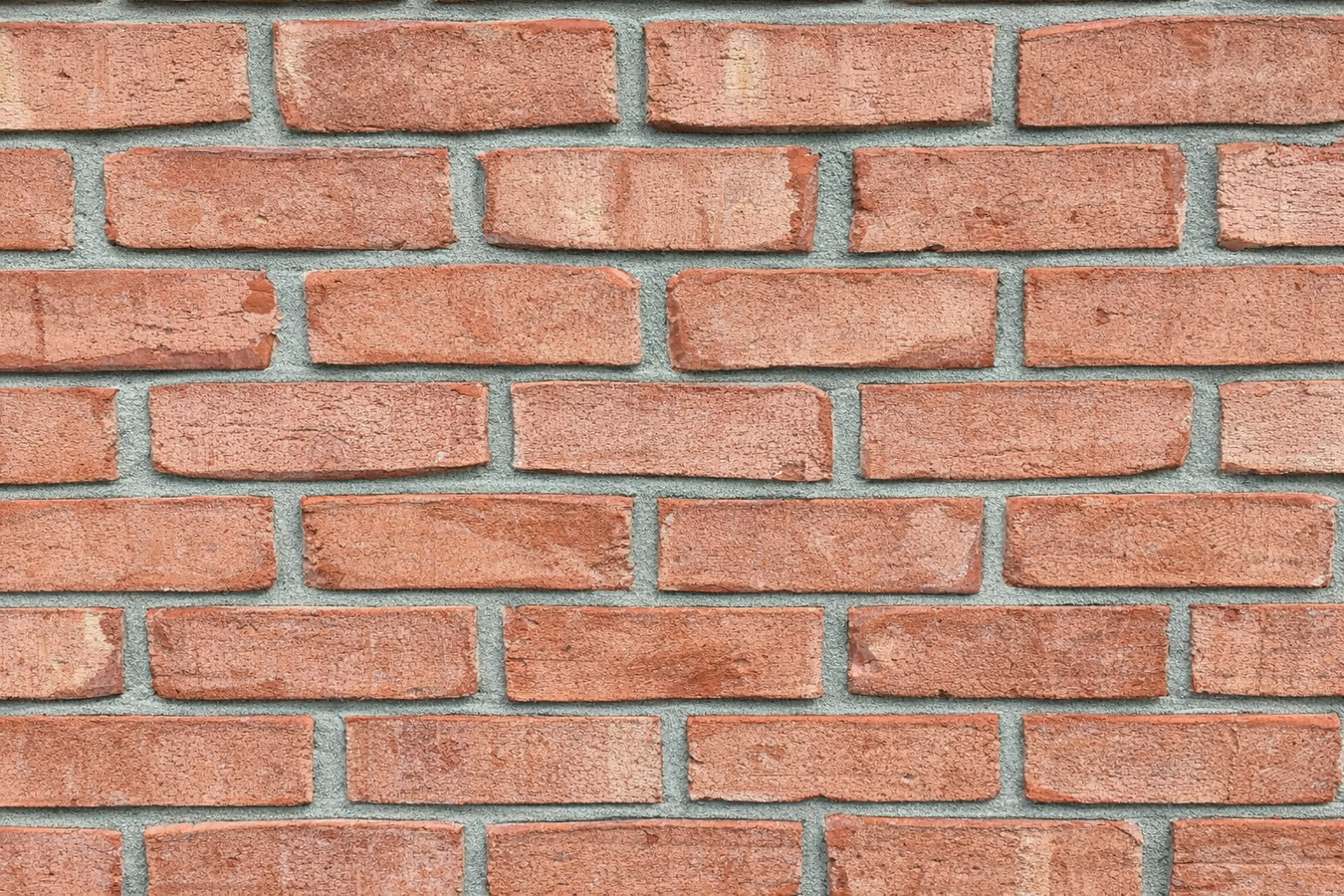
Crumbling mortar joints let water into your walls, chimneys, and retaining structures. We remove the old material and pack in properly matched mortar - so your brick stays solid through Clovis summers and wet winters.
Tuckpointing in Clovis means cutting out old, crumbling mortar from the joints between your bricks and packing in fresh material - most residential jobs take one to two days for a chimney or small wall section, and a full exterior wall may run up to a week.
If your home was built between the 1970s and 1990s, the mortar holding your brick chimney, garden wall, or front facade together is now 30 to 50 years old. That puts it right at the end of its typical service life. Clovis summers above 100 degrees accelerate that process - heat pulls moisture out of mortar faster than in cooler climates, and what looks fine from the street may already be soft or recessed up close.
Water that gets behind failed mortar joints can migrate into framing and drywall quickly. If you have a fireplace that needs attention alongside the mortar work, our chimney repair service addresses both the interior and exterior in one visit. Catching the problem now - while it is still a mortar issue - is almost always the least expensive path.
Run your finger along the joints. If the material crumbles or pulls back more than a quarter inch from the brick face, the mortar has failed. Gaps visible from a few feet away are already past the early-warning stage.
White, chalky residue - called efflorescence - is the mineral trace left when water moves through masonry and evaporates on the surface. On Clovis chimneys, it is one of the clearest signs water is entering through failed joints.
Stand back and look in good light. If you can see a shadow or groove along each joint, mortar has worn down enough that water is pooling in those channels rather than shedding off the wall - especially common on south- and west-facing walls that absorb Clovis afternoon sun.
Small pieces of brick or gray mortar collecting at the ground means the wall is actively breaking apart. In Clovis, heat stress and moisture intrusion drive this more than freezing, but the result is the same - the structure is deteriorating.
Our core tuckpointing work covers chimneys, garden walls, retaining borders, and front-facade brick accents. We grind or chisel out the old mortar to the correct depth - never skim over the top, which fails within a season or two - then pack in fresh mortar matched to your existing joints in both color and profile. For homes where the joints need attention but the bricks themselves are still sound, this is the most direct and cost-effective fix.
When mortar failure has been going on long enough that some bricks have cracked or shifted, we pair tuckpointing with brick repair to replace damaged units before the new mortar goes in. And when a wall or chimney needs a more comprehensive review of its mortar joints from top to bottom, our brick pointing service provides a full joint-by-joint inspection and refill. Both start with the same honest assessment - we tell you what we find before we touch anything.
Best suited to homeowners whose chimney shows efflorescence, recessed joints, or mortar that crumbles to the touch.
Ideal for walls and decorative borders where stair-step cracks or soft joints have appeared after Clovis wet-dry soil cycles.
For 1970s-1990s homes with brick veneer on the front where mortar has reached or passed its service life.
Clovis summers regularly top 100 degrees, and that intense dry heat causes fresh mortar to dry too quickly on the surface while the interior is still soft - a process that produces hairline cracks before the material ever fully bonds. A mason who does not adjust for local conditions will leave you with a repair that starts failing within a season. We schedule tuckpointing work in early morning hours, use mortar mixes suited to high-temperature conditions, and mist the joints during the cure period - because we know what the San Joaquin Valley does to masonry work that is done wrong.
The valley floor soil beneath Clovis shifts slightly with seasonal wet-dry cycles, putting stress on mortar joints in retaining walls, garden borders, and low-to-grade brick features over time. Homeowners in Fresno and Sanger deal with the same soil conditions and face the same service-life pressure on mortar from the same era of construction. If your home was built between 1970 and 1995, a professional joint inspection is a reasonable first step - even if nothing looks dramatically wrong yet.
We will ask a few basic questions - chimney, wall, or garden border, and roughly how large the area is. We reply within 1 business day and schedule a free on-site estimate within a few days.
The mason walks the area with you, checks how deep the damage goes, and looks at your existing mortar color and profile so the repair will match. You receive a written estimate before any work is scheduled.
The crew grinds or chisels out old mortar to the correct depth, mixes and packs in fresh material, then shapes the joints to match your existing profile. Most residential jobs wrap up in one to two days.
We clean mortar debris off the brick faces and walk the job with you before leaving. Fresh mortar needs 24 to 48 hours before it can get wet - we explain exactly what to avoid and for how long.
Free written estimate. We reply within 1 business day. No pressure, no surprises.
Applying new mortar on top of old failed mortar - called skim coating - looks fine for a season and then falls apart. We cut out the old material to the correct depth every time, which is the only way to get a bond that holds. Ask any contractor you compare us to how they handle this step.
Clovis summer heat can crack fresh mortar before it fully bonds. We schedule early morning, use mixes suited to high-temperature conditions, and mist joints during the cure period. The result is a repair that still performs two summers from now - not just two weeks after we leave.
A repair that stands out visually is a sign of rushed work. We assess your existing mortar color and joint profile before mixing, so the finished repair blends with the rest of the wall rather than looking like a visible patch.
You get a written quote that spells out exactly what work will be done and what it will cost - before any crew shows up. The{' '}Mason Contractors Association of America recommends written contracts for all masonry work, and we agree.
Tuckpointing done right in a climate like Clovis requires more than applying mortar - it requires knowing how heat affects the cure and matching material to what is already there. Those two factors are what separate a repair that lasts decades from one that needs redoing within a couple of seasons. The Mason Contractors Association of America sets standards for this kind of work, and our approach follows them on every job.
When failed mortar has allowed bricks to crack, chip, or shift out of line, we replace damaged units and restore the wall to full integrity.
Learn MoreA comprehensive joint-by-joint inspection and refill for chimneys and walls where mortar needs systematic attention from top to bottom.
Learn MoreFall books fast in the Valley - reach out today and we will get a free written estimate scheduled before the wet season arrives.