Loading...
Serving Clovis, CA and surrounding areas. (559) 826-1818
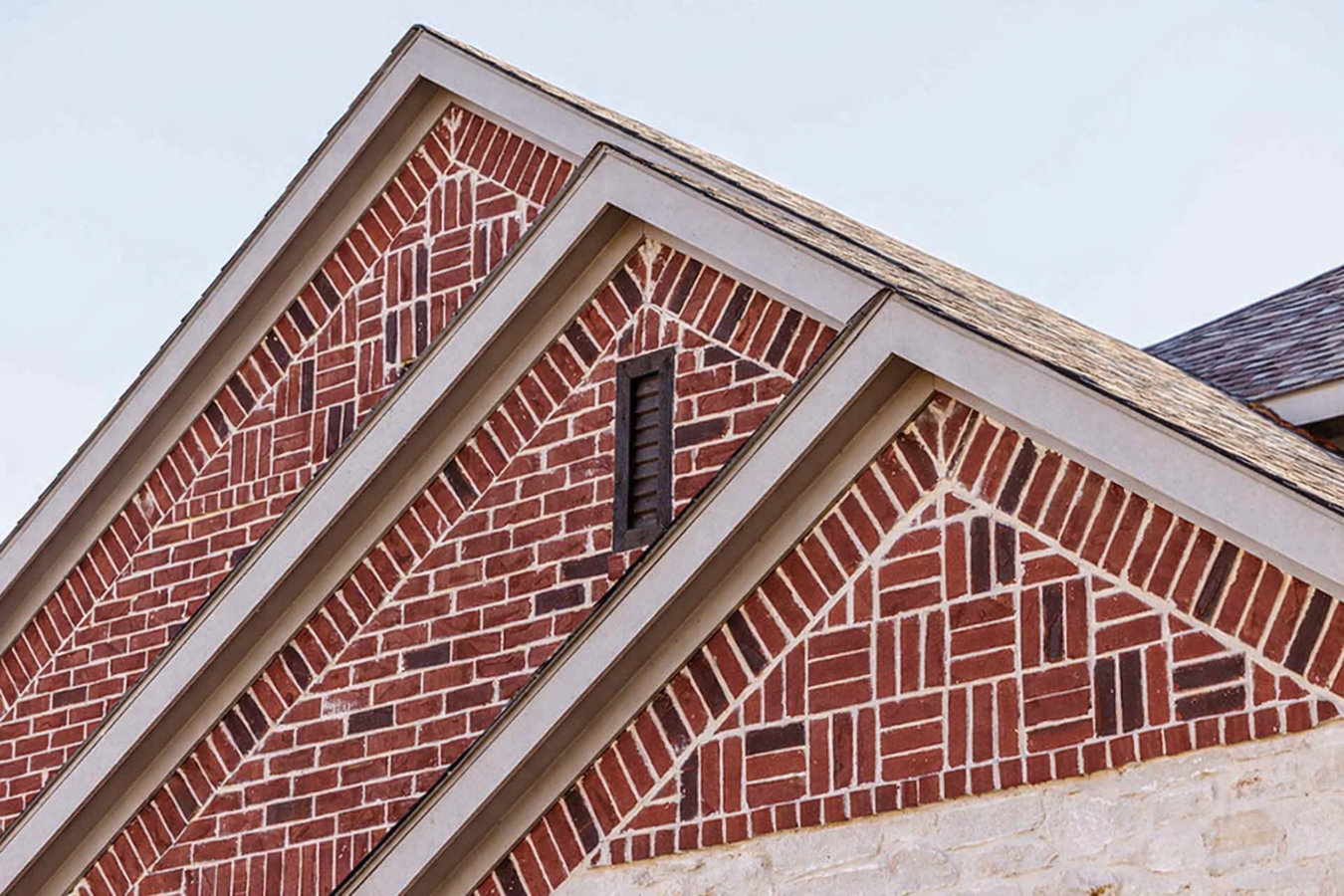
Crumbling mortar, spalling brick faces, and leaning block walls do not fix themselves. We repair and restore masonry structures so they look right and hold up through Clovis summers, wet winters, and shifting valley soils.
Masonry restoration in Clovis means repairing, cleaning, and stabilizing brick, stone, or block surfaces that have cracked, crumbled, or pulled apart - most projects take one to three days for a chimney or wall section, though larger jobs involving full exterior walls or foundation sections can run a week or more.
Restoration is not the same as demolition and rebuild. A skilled mason works to save as much of the original material as possible while making the structure safe and solid again. Many Clovis homes built between the 1960s and 1980s now have brick planters, block walls, and masonry that is 40 to 60 years old - at or past the point where repointing is overdue. The mortar fails first because it is softer than the masonry units, and once it goes, water gets behind the surface and accelerates damage to everything around it.
If your block wall has been deteriorating for years, mortar repair alone may not be enough. Our tuckpointing service focuses on joint-by-joint mortar replacement, while full masonry restoration addresses the broader picture - cleaning mineral deposits, stabilizing loose units, and assessing whether the structure underneath is still sound. Both paths start with an honest on-site assessment before any work begins.
Run your finger along the joints between bricks or blocks. If the mortar feels soft, crumbles away, or you can see gaps where it used to be, the joints have failed. This is especially common on Clovis homes built before 1990, where the original mortar has simply reached the end of its natural life.
White or grayish streaks on your wall surface - called efflorescence - mean water is moving through the masonry and leaving dissolved minerals behind as it evaporates. In Clovis, where irrigation water is hard and many homes have block perimeter walls that get regular overspray, this is a very common early warning sign that water is already compromising the mortar underneath.
If a crack in a retaining wall or planter looks wider in spring than it did in fall, the clay soils common in parts of Clovis are likely contributing. Seasonal soil movement can turn a hairline crack into a structural gap over just a few years. A crack wide enough to fit a quarter into is worth having assessed - and one you can fit your finger into needs attention soon.
A section of perimeter wall or retaining wall that has started to lean visibly or is pulling away from an adjacent section has been structurally compromised. This can happen when soil pressure builds up behind a retaining wall or when the footing has shifted. This level of damage goes beyond cosmetic repair and should be assessed by a masonry contractor as soon as you notice it.
Our masonry restoration work covers the full range of what Clovis homeowners typically face: repointing mortar joints, cleaning mineral deposits from brick and block surfaces, stabilizing cracked or spalling faces, and evaluating retaining structures for underlying soil pressure issues. When the damage is primarily a mortar problem, we pair restoration with our tuckpointing service to handle the joint work with the precision it requires - cutting to the correct depth, matching mortar color, and profiling the joints to shed water the way the original design intended.
When a fireplace surround or hearth has started to crack or separate from the wall, that is also a masonry restoration project - not just a cosmetic fix. Our fireplace installation team handles interior masonry work as well, and the same standards for prep and material quality apply whether the work is on a front yard block wall or an indoor firebox. We do not subcontract either scope - the same crew handles the assessment and the repair.
Best for brick planters, block perimeter walls, and chimneys where mortar has crumbled, receded, or allowed water in.
Suited to Clovis homes with hard-water mineral staining on block walls, especially those near active irrigation zones.
For homeowners who have noticed brick faces chipping, flaking, or popping off - typically on south- or west-facing walls with high sun exposure.
Clovis sits in the San Joaquin Valley and regularly sees summer temperatures above 100 degrees Fahrenheit followed by a wet season that runs from November through March. That cycle of intense heat, complete drying, and then sustained rain is harder on mortar joints than most climates in California. What looks like a minor surface issue in August can open up significantly by February - which is why addressing masonry damage before the rainy season arrives is genuinely important, not just a sales line. The International Masonry Institute documents how repeated thermal cycling degrades mortar bonds over time - a process the valley climate accelerates faster than most contractors from outside the region anticipate.
The clay-heavy soils under much of Clovis add another layer of stress: they expand when wet and shrink when dry, which puts seasonal movement pressure on foundations, retaining walls, and any masonry structure near grade. Homeowners in Fresno and Madera deal with the same soil conditions - cracks that appear minor in dry months can reflect real ground movement. We assess the whole picture before recommending a repair, because a mortar patch over a soil problem will not hold.
We ask a few basic questions - what you are seeing, where it is on the property, and roughly how large the area is. We reply within 1 business day and schedule a free on-site estimate within a few days of your call.
The mason walks the area with you, probes the mortar joints, and checks for signs of underlying issues like soil movement or water intrusion. You receive a written estimate that breaks down the scope and cost - before you agree to anything.
Once you accept an estimate, we schedule the work for a weather-appropriate window - ideally spring or fall in Clovis. Clear the work area of furniture and planters beforehand, and let us know if irrigation heads are near the zone - we may ask you to pause that zone during the project.
The crew removes damaged material, packs in fresh mortar, and shapes the joints to match. We clean debris off the brick faces each day. Before leaving, we walk the completed work with you and explain the curing period - typically 48 to 72 hours before the area should get wet.
Free estimate. Written quote. No pressure. We reply within 1 business day.
Most masonry failures in Clovis have a ground-level cause - hard water, clay soil movement, or irrigation overspray - not just age. We look at the whole picture before recommending a repair, so the fix we make actually holds. A patch over an unaddressed soil problem is a repair that will fail again.
We color-match mortar to your existing joints so the repair blends in after curing - which takes a few weeks in Clovis sun. We set realistic expectations upfront: new mortar is always lighter at first, but proper color matching means it blends over time instead of standing out permanently.
Every fall, homeowners who put off repairs end up watching the first winter rains pour into cracks that could have been sealed months earlier. We help you schedule before the wet season so your walls are tight when it matters. Spring and fall bookings fill up - calling early gets you the right window.
Any masonry contractor working legally in California must hold a state license. You can verify ours on the{' '} California Contractors State License Board website in about 30 seconds. We flag permit requirements upfront and handle the paperwork on your behalf when the scope requires it.
These are not abstract promises - they reflect how we actually work on every masonry restoration project in Clovis and the surrounding valley. A contractor who cuts corners on prep and mortar depth will leave you with a repair that starts failing in a few years. The CSLB makes it easy to verify any contractor you consider - use it.
Add or replace a fireplace with proper permitting and masonry-grade construction built to last through valley weather cycles.
Learn MoreJoint-by-joint mortar replacement for chimneys, garden walls, and brick facades where mortar has reached the end of its service life.
Learn MoreFall slots fill before the rainy season - the sooner you call, the sooner your walls are protected.