
Loading...
Serving Clovis, CA and surrounding areas. (559) 826-1818
Most Clovis homes were built with plain stucco and basic concrete. Stone masonry is how you change that - and we build every project with the base prep your clay soil actually demands.
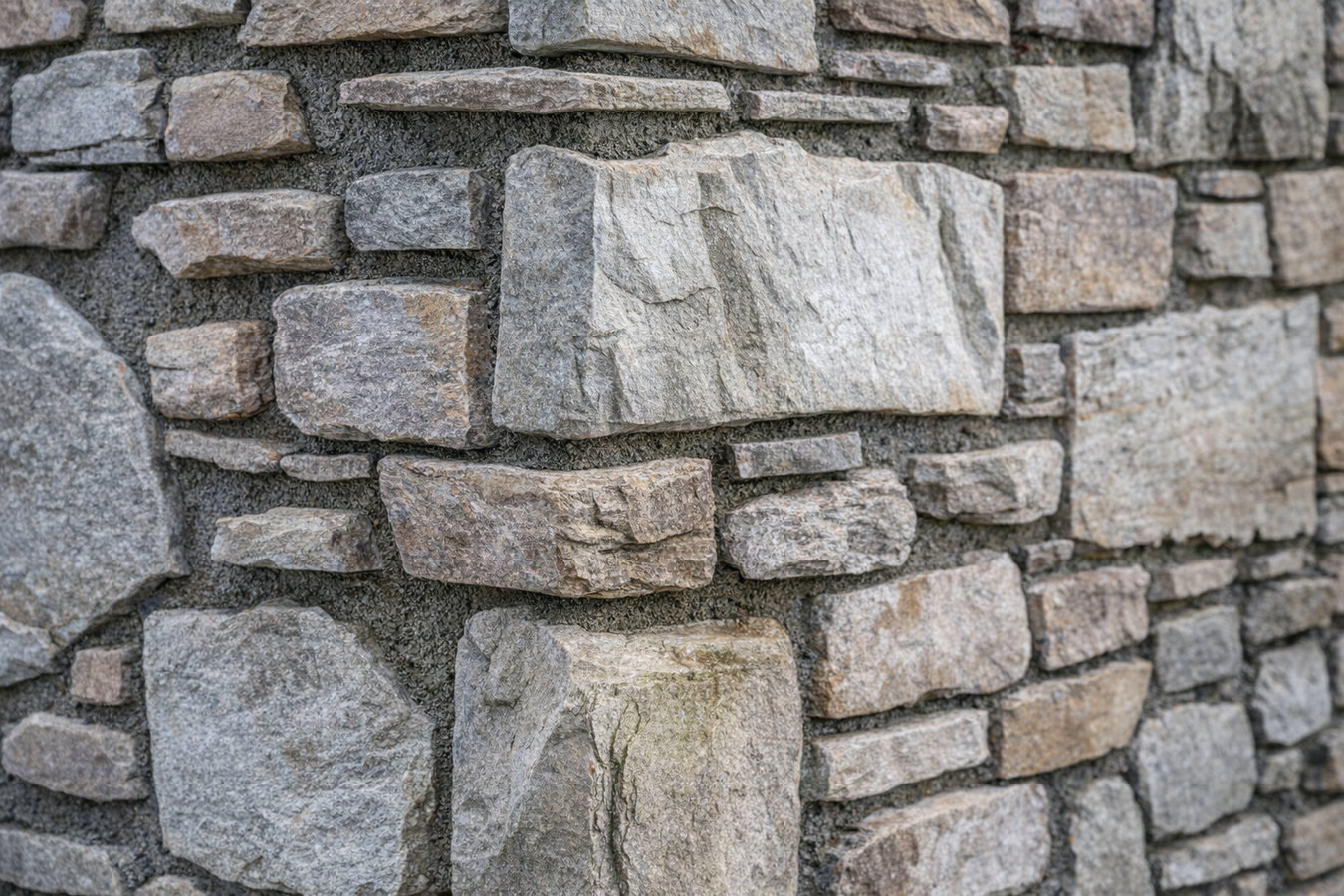
Stone masonry in Clovis means setting natural or manufactured stone on a properly prepared base using mortar and skilled hand work - most jobs range from one day for a small garden wall or stoop to one to two weeks for a full patio, retaining wall, or exterior veneer project.
Stone is one of the most durable materials you can add to a Clovis property. When installed correctly, it handles decades of 100-degree summers without warping, fading, or rotting. Homeowners who want privacy, a cleaner yard boundary, or a more distinctive home exterior often pair stone work with brick pointing on nearby structures to give the whole property a consistent, well-maintained look.
The biggest factor in how long stone masonry holds up is not the stone itself - it is what goes under it. Clovis sits on clay-heavy soil that swells when wet and shrinks when dry, and stonework laid on a shallow or poorly compacted base will shift and crack within a few seasons. The Mason Contractors Association of America recommends proper base preparation as the most critical step in any flatwork or wall project - and it is the step that separates stonework that lasts from stonework that needs repairs every few years. For projects that also involve aged masonry or masonry restoration, we assess and address both in one scope of work.
Visible cracks in the mortar between stones are one of the clearest signs that a wall needs attention. In Clovis, the combination of hot summers and clay soil movement puts extra stress on older masonry, and small cracks can widen quickly if left alone. If you can fit a coin into a crack, it is time to call a mason.
If individual stones move when you step on them, the base underneath has likely settled or eroded. This is especially common in Clovis yards where clay soils expand and contract with the wet and dry seasons, gradually loosening the foundation beneath stone flatwork. Loose stones are a trip hazard - worth addressing sooner rather than later.
That white residue is called efflorescence - mineral salt pushed to the surface by moisture moving through stone or mortar. It is a sign that water is getting into the masonry somewhere it should not be. Left untreated, the moisture causing it can weaken the structure over time.
Many Clovis homes built in the 1980s and 1990s have never had their exteriors updated. If your home looks identical to every other house on the block, stone veneer on the front facade, around the garage, or at the base of the home is one of the most impactful changes you can make to give it its own character.
We work with both natural quarried stone - flagstone, granite, limestone, and slate - and manufactured stone veneer, depending on what the project calls for and what your budget allows. Natural stone is the right choice for patios, garden walls, and steps where the texture and permanence of the real material matters. For home exteriors, front entry accents, and garage base treatments, manufactured veneer delivers a comparable look at a lower cost and weight - a practical fit for most Clovis tract homes that were never built to support heavy cladding.
Every stone project we take on starts with a site assessment, not a guess. For larger projects - retaining walls, exterior veneer - we coordinate permits with the City of Clovis Building Division and help with HOA submissions where required. If your outdoor space is also getting a new access path, our brick pointing work keeps adjoining brick structures in the same condition as your new stonework. For yards where the full landscape is being upgraded, we often pair stone masonry with masonry restoration on any existing features that need attention before new work begins.
Flagstone, granite, and slate set on a properly graded, compacted base - ideal for homeowners who want the authentic look and longevity of quarried stone outdoors.
Manufactured or natural stone veneer applied to front facades, entry surrounds, and garage bases - a high-impact visual upgrade that suits most Clovis tract-home exteriors.
Freestanding stone walls for property edges, raised planters, and decorative features - built with footings designed for the way Clovis clay soil shifts seasonally.
Stacked or mortared stone steps, pillars, and front entry accents - suited to homeowners who want a well-defined entrance that stands apart from standard concrete.
A large share of Clovis homes were built during the suburban expansion of the 1980s through early 2000s and feature plain stucco exteriors and basic concrete flatwork. Stone veneer accents, stone-capped garden walls, and flagstone patios are popular upgrades in this market because they add visual character that the original construction lacked. Clovis summers regularly reach 105 degrees F, and stone handles that heat better than wood, vinyl, or composite materials - it will not warp, crack from UV exposure, or require repainting every few years. Homeowners in Fresno and Sanger face the same climate conditions and similarly dated housing stock - stone masonry is one of the most cost-effective ways to distinguish a property in this region.
The clay-heavy soils common across the Clovis and Fresno area create a specific challenge for any masonry work laid at or below grade. Soil that swells in winter rains and contracts through summer heat will push stone surfaces out of alignment if the base underneath is not built deep and stable enough. The California Department of Conservation documents the expansive soil conditions across the Central Valley - conditions our base preparation process is specifically designed to account for.
We ask about the type of project, the rough size, and any photos you have of the space or styles you like. This first conversation takes about 10 to 15 minutes and costs nothing. We reply to all initial inquiries within 1 business day.
We come to your property to check the ground conditions, measure the area, and note whether a city permit or HOA approval is likely needed. You get a written estimate that breaks down materials, labor, and timeline - no vague totals.
If your project requires a City of Clovis permit, we handle the application. Before the first stone goes down, the crew excavates the site, compacts a gravel base, and installs any required moisture barriers - the step that determines how long the work holds up.
Stone is set course by course, joints are tooled to a consistent finish, and the site is cleaned when we are done. Mortar reaches workable strength in 24 to 48 hours - we tell you exactly when the area is safe to use again.
No pressure, no obligation. We come to your property, assess the site, and give you a clear written quote - so you know exactly what the project costs before anything begins.
The most common reason stone patios and walls fail here is a base that was not deep enough or stable enough for clay that expands and shrinks with each wet and dry season. We excavate to the correct depth and compact gravel before any stone is set - so surfaces stay level as the soil moves.
Navigating the City of Clovis Building Division and HOA review processes can feel overwhelming if you have never done it before. We handle permit applications and can help you prepare the materials your HOA needs to review - so you know what is approved before work begins.
The Mason Contractors Association of America identifies hot-weather mortar management as a key variable in long-term performance. We schedule stone work for early mornings during Clovis summers and adjust our process to ensure mortar cures properly rather than drying out too fast.
You get a written, itemized estimate that covers everything we found during the site visit - no vague line items, no charges that appear on the final invoice that were never discussed. If something unexpected turns up once work starts, we stop and talk to you first.
These proof points add up to one thing: stone masonry that holds up in a climate and soil environment that is harder on outdoor structures than most of California. When the project is done, you have stonework built to last - not something that needs attention again in three years.
Keep mortar joints on brick chimneys, walls, and patios tight and water-resistant - a natural complement to new stone work nearby.
Learn MoreBring older brick and stone structures back to their original condition before adding new stonework to the same property.
Learn MoreFall and spring book up quickly in the Central Valley - lock in your project start date before the season fills.