Loading...
Serving Clovis, CA and surrounding areas. (559) 826-1818
Crumbling mortar is one of the most common ways water gets into a Clovis home - and one of the easiest to miss until you see the damage inside. We replace failing joints with mortar matched to your specific brick, so the repair holds for decades.
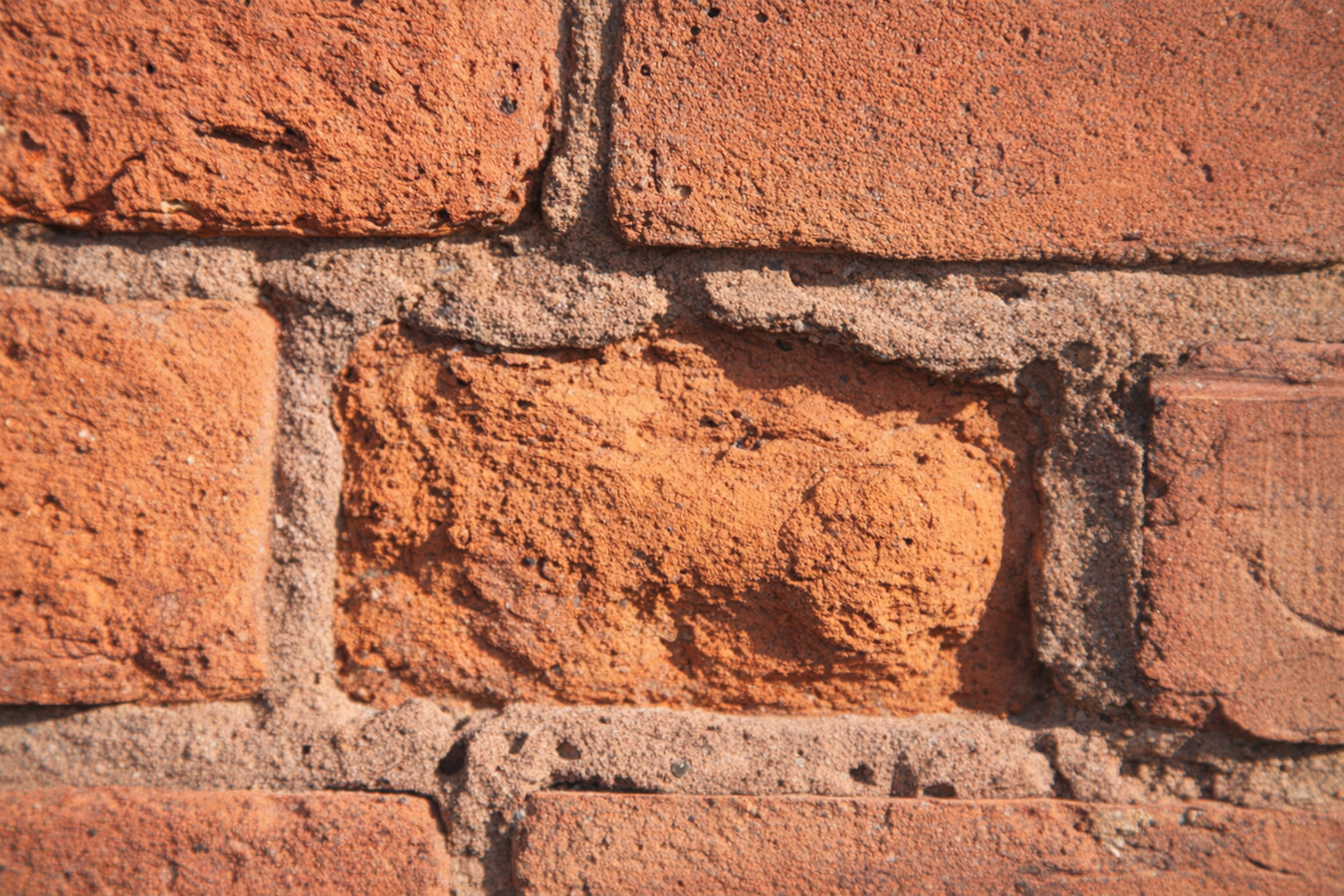
Brick pointing in Clovis means carefully removing deteriorated mortar from between your bricks to a safe depth and packing in fresh mortar that is matched to your specific brick type - most chimney and small wall jobs are completed in a single day, while larger wall sections or full exteriors take two to four days.
Think of the mortar joints as the seal between your bricks and the outside world. When that seal breaks down, water has a direct path into the structure. In Clovis, the combination of 100-degree summers that dry out mortar aggressively and winter tule fog that brings sustained moisture to exterior surfaces means mortar joints wear faster than in milder climates. If you have been putting off dealing with a chimney or garden wall that looks patchy or crumbling, it is worth addressing now - before water damage forces a more expensive repair. For homes where the damage has moved beyond the mortar joints, we also handle full foundation repair when structural issues are involved.
Brick pointing is also related to - but different from - tuckpointing, which uses two contrasting mortar colors to create a refined visual joint. If you are considering a cosmetic upgrade alongside structural repair, we can discuss both options during the estimate visit. The Brick Industry Association provides technical standards on mortar selection and joint preparation that we follow on every job.
Stand back and look at your chimney, garden wall, or brick exterior from a few feet away. If the lines between the bricks look hollow, crumbly, or have chunks missing, the mortar has broken down. In Clovis, this kind of visible deterioration often shows up first on south- and west-facing surfaces that take the most summer sun.
If you notice a fine reddish or gray powder collecting at the base of a brick wall or chimney after a windy day, that is mortar that has dried out and is slowly falling away. This is common in Clovis homes built before 1990, where original mortar has simply reached the end of its lifespan after decades of valley heat.
If you notice water stains on interior walls or ceilings near a brick chimney or exterior wall after rain, failing mortar joints are a likely entry point. Clovis winters bring enough rain to exploit even small gaps in mortar, and once water gets behind the bricks, the damage spreads quickly.
Diagonal or stair-step cracks that follow the mortar lines - rather than cutting straight through the bricks - often indicate weakened mortar and slight wall movement. In Clovis, this pattern can be triggered by the expansive clay soils that swell and shrink with seasonal moisture changes. Worth having a mason look at this sooner rather than later.
We handle repointing on chimneys, exterior walls, garden walls, patios, and steps - any brick surface where the mortar has deteriorated to the point that it is no longer doing its job. The process is straightforward: remove the old material to a safe depth, clean the joint, pack in fresh mortar that is matched to your brick, and tool the surface to a consistent finish. What looks like a cosmetic job is actually a waterproofing repair, and getting it right requires choosing the correct mortar formula for your specific brick rather than defaulting to a standard modern mix.
For Clovis homes from the 1950s through 1980s with softer, older bricks, this mortar matching step is critical. Using mortar that is too hard for older brick transfers stress into the brick face rather than the joint - the bricks crack instead of the mortar, which is a much more expensive problem to fix. We assess your brick on-site before any material is mixed. If the same structure also has other masonry issues, we can address foundation repair or tuckpointing in the same project scope, so everything gets handled at once rather than in separate visits.
Replacing worn mortar on brick chimneys - the most common brick pointing job in Clovis, and one of the most effective ways to stop water from entering the home through the roofline.
Restoring mortar joints on freestanding brick walls that have weathered through years of Central Valley heat and seasonal moisture - suited to homeowners who want their walls tight and water-resistant without replacing the brick.
Repointing the mortar joints on brick-faced home exteriors - ideal for Clovis homes from the 1950s through 1980s where the original mortar is nearing the end of its lifespan.
Filling worn or missing mortar between brick pavers, steps, and outdoor flatwork - keeps surfaces stable underfoot and prevents water from working into the base beneath.
Clovis sits in the San Joaquin Valley, where summer temperatures regularly exceed 100 degrees F and the air stays extremely dry for months at a time. That intense heat causes mortar to expand and contract repeatedly over the years, which breaks it down faster than in coastal or milder inland climates. South- and west-facing walls that take the full force of afternoon sun often show visible mortar deterioration years before north-facing surfaces on the same structure. Homeowners in Selma and Kingsburg face the same valley heat conditions and see the same pattern - mortar joints that need attention sooner than a homeowner would expect based on the age of the structure.
The San Joaquin Valley also has its second stress season in winter. The tule fog that blankets Clovis in December and January brings sustained moisture to exterior brick surfaces, and if mortar joints are already cracked, that moisture gets behind the bricks and accelerates damage. The Portland Cement Association notes that proper mortar curing and joint preparation are the key variables in how well masonry holds up through repeated wet-dry and heat cycles - exactly the conditions Clovis properties experience every year.
We ask where the brick is located, roughly how large the area is, and whether you have noticed any water damage or structural concerns. This first conversation usually takes 10 to 15 minutes. We reply to all initial inquiries within 1 business day.
We come to your property to look at the brick in person - check existing mortar condition, assess the brick type, and note any signs of deeper damage. This visit is free and takes 20 to 45 minutes. Brick type assessment is critical to choosing the right mortar formula.
You receive a written estimate spelling out what work will be done, how many days it will take, and the total cost. In Clovis, summer is the busiest season for masonry work - expect a lead time of one to three weeks if you are calling between May and September.
The crew removes old mortar, packs in fresh mortar by hand, shapes the joints to match the original profile, and cleans any smears off the brick face. At the end, we walk the finished work with you. Fresh mortar needs 24 to 48 hours to harden - we tell you exactly what to avoid during that window.
We come to your property, assess your brick type in person, and give you a clear written quote - no obligation, no pressure to decide on the spot.
The most common mistake in brick pointing is using a mortar that is too hard for older, softer bricks. When mortar is harder than the brick, the brick itself cracks rather than the joint - which is the opposite of what you want. We assess your brick type before mixing anything, so the repair protects your home rather than quietly damaging it.
We have worked on brick structures across Clovis neighborhoods - from older homes near the original city core to newer subdivisions on the north and east sides. That local experience means we know the brick stock in this market, the seasonal timing that matters, and which problems are caused by soil movement versus simple mortar wear.
The Brick Industry Association identifies mortar selection as the single most important technical decision in any pointing job. We follow BIA guidance on mortar formulation and joint preparation - including the minimum depth to remove old mortar before packing in new material - so the repair actually bonds properly and does not just sit on top of deteriorated material.
Before we touch a single joint, you have a written estimate covering everything found during the site visit. If something unexpected turns up once we start removing old mortar, we stop and talk to you before going any further. No number climbs midway through a job without your knowledge and agreement.
Brick pointing done right is not glamorous work - but it is the kind of repair that quietly protects your home for the next 25 to 40 years. Getting those decisions right from the start is exactly why homeowners in Clovis call us instead of going with the lowest bid.
Address structural movement that is causing brick joints to crack - a logical next step when pointing reveals deeper settlement issues.
Learn MoreA refined finish using two contrasting mortar colors for homeowners who want a cosmetic upgrade alongside the structural mortar repair.
Learn MoreSummer books up fast - the sooner you get on the schedule, the sooner your mortar joints are sealed before fall rains arrive.