
Loading...
Serving Clovis, CA and surrounding areas. (559) 826-1818
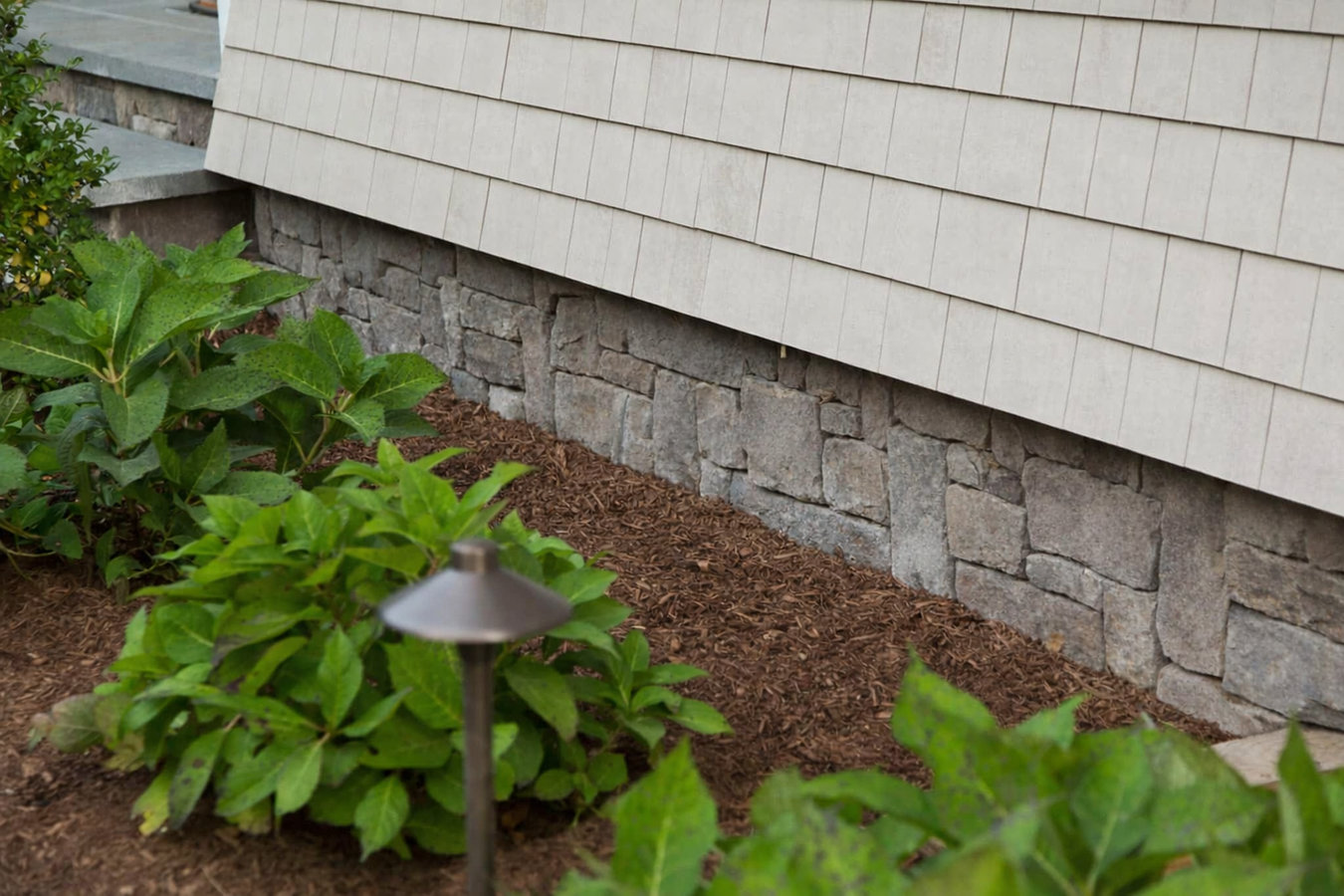
CVM Clovis Masonry serves Dinuba, CA with stone veneer installation, concrete and brick repair, retaining walls, and tuckpointing for homes throughout Tulare County. We respond to new requests within one business day and give free on-site estimates before any work begins.
Older Dinuba homes built in the 1950s through 1970s often have plain stucco or block exteriors that have held up structurally but look dated. Stone veneer applied over a properly prepared substrate gives those walls a completely different character without tearing out the original construction. Because Dinuba summers push past 100 degrees Fahrenheit, the veneer installation method and mortar mix matter - materials need to handle the thermal expansion that comes with extreme heat. Our stone veneer installation work accounts for the local climate so the veneer stays bonded through Valley heat cycles, not just until the first summer after install.
Dinuba has a real stock of older block fences, brick chimneys, and masonry garden walls from the mid-20th century. The mortar in those joints has softened over decades of San Joaquin Valley heat and occasional winter moisture from tule fog. Once the mortar starts to crumble or pull away from the brick face, water gets into the masonry core and each winter cycle widens the damage. Repointing the open joints while the brick faces are still sound keeps the repair scope small and the cost manageable.
Cracked driveways and heaved sidewalk panels are a consistent pattern in Dinuba because the clay soil under most lots shrinks and swells with every dry-wet cycle the Valley goes through. A driveway that was smooth at installation may have four or five distinct cracks running across it after 20 years of that soil movement. When panels have shifted enough to create a trip hazard or to channel water toward the foundation, concrete repair or targeted slab replacement stops the problem from getting worse.
On flat Dinuba lots where the grade changes between neighbors or where the backyard sits lower than the street, water that has nowhere to drain during winter rains collects against the foundation or fence line. A low retaining wall built with proper drainage - compacted gravel backfill and weep holes at the base - redirects that water before it saturates the clay soil next to the house. Keeping the soil consistently dry reduces the expansion pressure that causes most concrete and masonry cracking in this area.
Many Dinuba homes from the 1960s and 1970s were built on slab foundations directly on clay soil with minimal compaction below. After 40 to 60 years of the soil moving with the seasons, the early signs show up as sticking doors, diagonal cracks at window corners, or a subtle unevenness in the floor. Catching those signs early keeps the repair limited to the masonry and slab, before the settlement affects the framing and drywall above.
A proper front walkway on a Dinuba home needs more than just a concrete pour - it needs a compacted gravel base suited to the clay soil so it does not settle unevenly after the first wet winter. Many of the original concrete walkways on Dinuba properties from the 1960s and 1980s were poured on minimal base prep, and they show it: uneven sections, cracked panels, and edges that have crumbled from repeated moisture exposure. A replacement built with the right base holds up through the Valley's seasonal swings without the same result.
Dinuba is a city of roughly 25,000 people in Tulare County, sitting in the agricultural heart of the San Joaquin Valley surrounded by raisin grape vineyards, citrus groves, and stone fruit orchards. Most of the city is residential, with single-family homes on modest in-town lots and a small commercial core along Alta Avenue. A significant share of the housing was built between the 1940s and 1970s, which means a large portion of Dinuba properties have masonry and concrete that is 50 or more years old. That is not necessarily a problem - well-maintained masonry from that era can last many more decades - but it does mean that deferred repairs tend to compound faster here than they do on newer construction. An open mortar joint in a brick chimney or block fence that goes unaddressed for a few seasons becomes a much larger problem after the Valley heat and winter fog cycles have worked on it.
The climate in Dinuba is demanding on any exterior material. Summers regularly push above 100 degrees Fahrenheit from June through September, with very little humidity to moderate the heat. The dry air accelerates the degradation of mortar and the expansion of existing cracks in concrete and masonry surfaces. Then the wet season arrives all at once - most of the annual rainfall falls between November and March - and the dense tule fog that settles over the valley for weeks at a time keeps everything damp. The clay-heavy soil under most Dinuba lots responds to that seasonal moisture swing by swelling in winter and contracting sharply in summer. That movement is the underlying cause of most concrete cracking and foundation settling that homeowners in this area deal with. A contractor who has not worked in this climate before tends to underestimate how much the soil conditions drive the repair scope.
Our crew works throughout Dinuba regularly, and we understand the local conditions that affect masonry work here. The clay soil under this part of Tulare County is not uniform - it behaves differently in the older in-town neighborhoods near Alta Avenue than it does in the newer subdivisions on the north side. Both present masonry challenges, but the repair approaches are not identical, and treating every Dinuba job the same way leads to callbacks.
Dinuba sits about 35 miles southeast of Fresno and about 25 miles northeast of Visalia, right where Tulare County and Fresno County farmland meet. The surrounding area is one of the most productive agricultural regions in the country - raisin grapes, oranges, and stone fruit dominate the landscape. When we pull permits for structural masonry work in Dinuba, we work with the City of Dinuba building office, which has a straightforward process for residential masonry permits. Most routine repairs and cosmetic work - tuckpointing, stone veneer on interior walls, concrete patch work - do not require a permit, but anything structural does, and we handle that paperwork as part of the project.
We also serve Sanger, CA, just northwest of Dinuba, and the surrounding communities in this part of the Valley. If you are in Dinuba or nearby and have a masonry question, call us - we can usually schedule an initial estimate within a few days.
Call us at (559) 826-1818 or fill out our contact form and describe what you are seeing at your property. We reply to all new Dinuba inquiries within one business day - usually the same day if you reach us before noon.
We visit your Dinuba property, look at the full scope of the work, and explain exactly what we see and what we recommend. The estimate is written and detailed - no vague totals - and there is no charge or obligation for this visit.
Once you approve the estimate, we schedule the job and give you a clear start date. For most masonry work in Dinuba, you do not need to be home during the job - just make sure we have access to the work area and a way to reach you if a question comes up.
When the job is done, we walk you through the finished work, explain any curing time or care instructions for new concrete or mortar, and clean up the site before we leave. If anything does not meet your expectations, we address it before we close out the project.
We serve Dinuba and Tulare County homeowners with free on-site estimates. No pressure, no obligation - just a clear assessment of what your property needs and what it will cost.
Dinuba is a small city of roughly 25,000 people in Tulare County, situated in the eastern San Joaquin Valley about 35 miles southeast of Fresno. The city has a deep agricultural identity - the surrounding fields grow raisin grapes, navel oranges, peaches, and other stone fruit that the region is known for across the country. Most neighborhoods are quiet, residential, and spread out across a flat grid, with the older commercial heart of the city centered along Alta Avenue. The community has a long-term, stable character: many families have lived in Dinuba for multiple generations, and the housing stock reflects that continuity, with a large share of owner-occupied homes that have been in the same hands for decades. You can read more about the city on the Dinuba Wikipedia page.
Most Dinuba homes are single-story ranch or stucco-box construction from the 1950s through 1980s, sitting on modest in-town lots with concrete driveways, block side fences, and detached garages. There are also newer subdivisions on the north and east sides of the city - built in the 1990s through 2010s - that are larger and use more modern materials, but are now old enough that their masonry and concrete is beginning to show wear. We serve both parts of the city regularly. Dinuba sits close to Reedley, CA, about 10 miles to the northwest, and both cities share the same clay soil challenges that make local masonry expertise matter.
Restore your home's structural stability with expert foundation repair solutions.
Learn MoreKeep your chimney safe, sealed, and functioning with professional repair work.
Learn MoreRenew deteriorating mortar joints to protect and beautify your brick surfaces.
Learn MoreControl erosion and define your landscape with a strong retaining wall.
Learn MoreAdd warmth and character to your home with a custom masonry fireplace.
Learn MoreTransform any surface with natural or manufactured stone veneer installation.
Learn MoreBuild lasting privacy and security with professionally constructed block walls.
Learn MoreEstablish a solid structural base with precision block wall installation.
Learn MoreCreate the ultimate outdoor living space with custom masonry kitchen builds.
Learn MoreDesign safe, attractive walkways using quality stone, brick, or pavers.
Learn MoreSeal and strengthen brick joints to prevent moisture damage and deterioration.
Learn MoreCall CVM Clovis Masonry today or submit our online form. We serve Dinuba and surrounding Tulare County communities and respond within one business day.